UK Study Reveals Gamer Guys More Likely to Embrace Conspiracies!
A groundbreaking study conducted by More in Common and The AKO Storytelling Institute at the University of Arts London has found that young male gamers in the UK are twice as likely to buy into…
By Game Alert 24 Desk
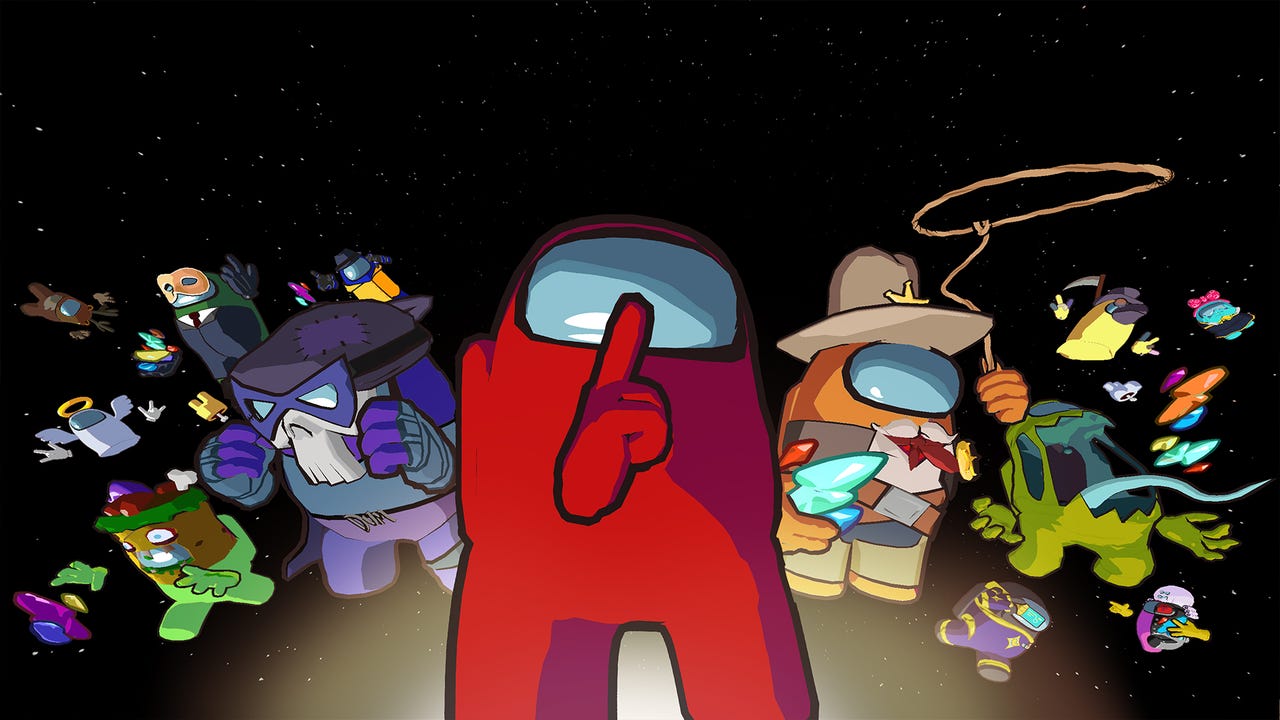
A groundbreaking study conducted by More in Common and The AKO Storytelling Institute at the University of Arts London has found that young male gamers in the UK are twice as likely to buy into conspiracy theories compared to their non-gaming counterparts. This intriguing finding comes from a survey of thousands of British youth, aged 18-24, who were categorized based on their average video game usage. The research aimed to explore whether video games could serve as a means to reach individuals disengaged with mainstream media, who instead rely on alternative sources spreading misinformation. Interestingly, the gaming-focused group, dubbed "Sceptical Scrollers," expressed four times more confidence in their ability to spot misleading information. Comprising 10% of the country's population, this group often faces financial struggles, debt, and resides in social housing near their childhood homes. They are less likely to consume traditional media like TV, radio, or newspapers, instead favoring news and reports from YouTube, podcasts, or social media. However, when it comes to gaming, they outperform the rest. But using video games as a tool to influence beliefs remains uncertain. The study reveals that this group highly values video games as an escape and a space free of political ideology. Moreover, participants felt betrayed when games with subtle messages promoting critical thinking were introduced. Despite these findings, video games can still provide a positive outlet for the disenfranchised Sceptical Scrollers, offering common ground. Games that encourage critical thinking, like Among Us or Papers, Please, are suggested as beneficial options, though they may not be effective in debunking conspiracy theories directly. Tom Phillips, IGN's News Editor, shares these insights and can be reached at [email protected] or on [email protected].
Filed underGaming
More stories
Gaming
Breaking News: Nvidia Board Takes Steps to Potentially Remove CEO Jensen Huang Amidst Scandal
Game Alert 24 Desk
Gaming
Geralt's AI-Enhanced Voice Returns in The Witcher 3 Expansion!
Game Alert 24 Desk
Gaming
Final Fantasy XIV Community Pays Heartfelt Tribute to The Primals' Bassist Eikichi Iwai
Game Alert 24 Desk
Gaming
"Family Guy Meme Summons Epona in Ocarina of Time Remake! 🐎🎶"
Game Alert 24 Desk
Gaming
Fans Raise Eyebrows Over Possible Resurfacing of Gay Tony in GTA 6 Trailer
Game Alert 24 Desk
Gaming
Get Ready for the Monster-Filled Mega Update of Dandy's World on November 20!
Game Alert 24 Desk